


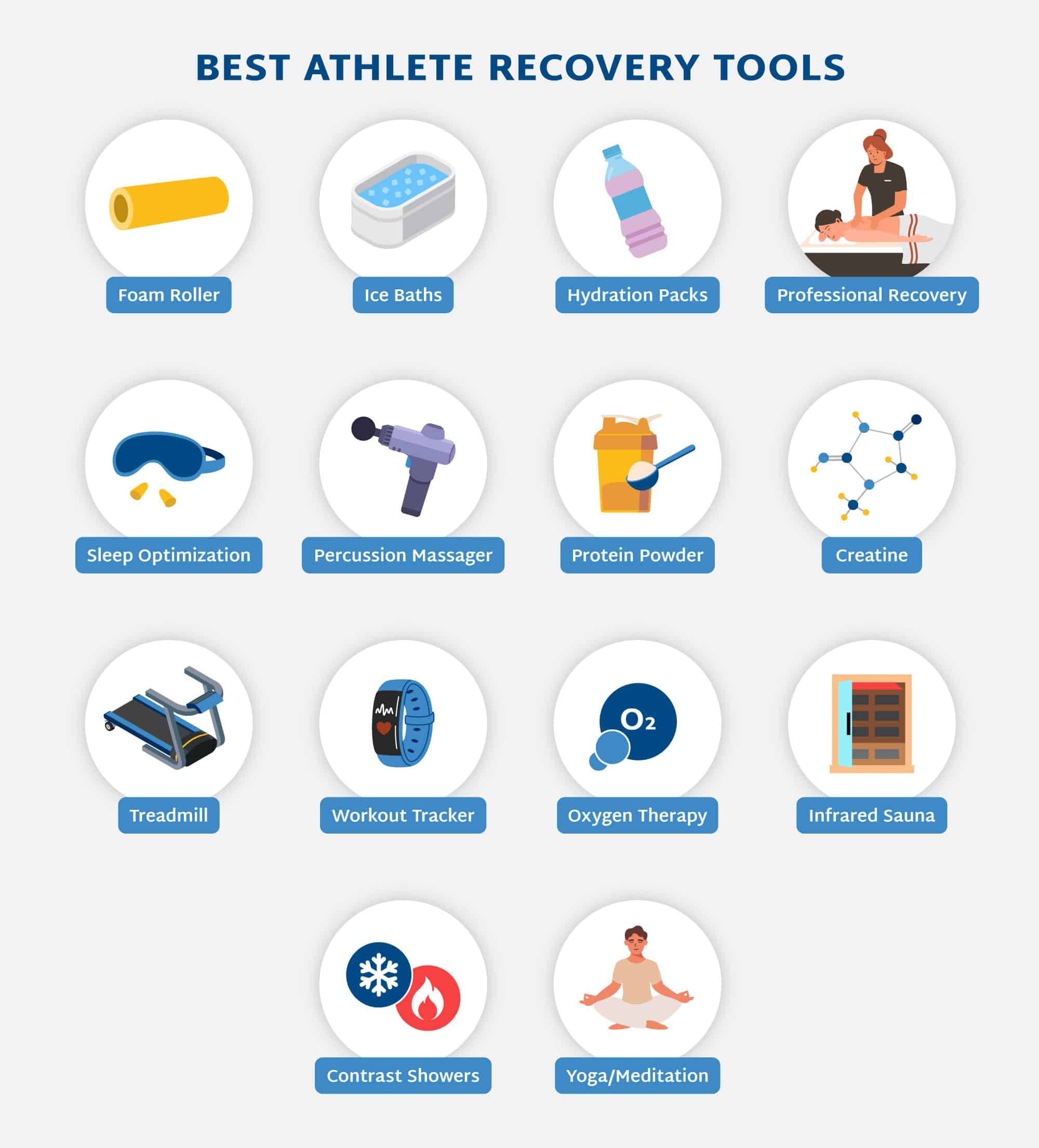
Foam rolling, a simple yet powerful technique, has revolutionized the way athletes and fitness enthusiasts approach recovery. It involves using a cylindrical foam roller to massage your muscles, helping to alleviate soreness, improve flexibility, and enhance overall performance.
How Does Foam Rolling Work?

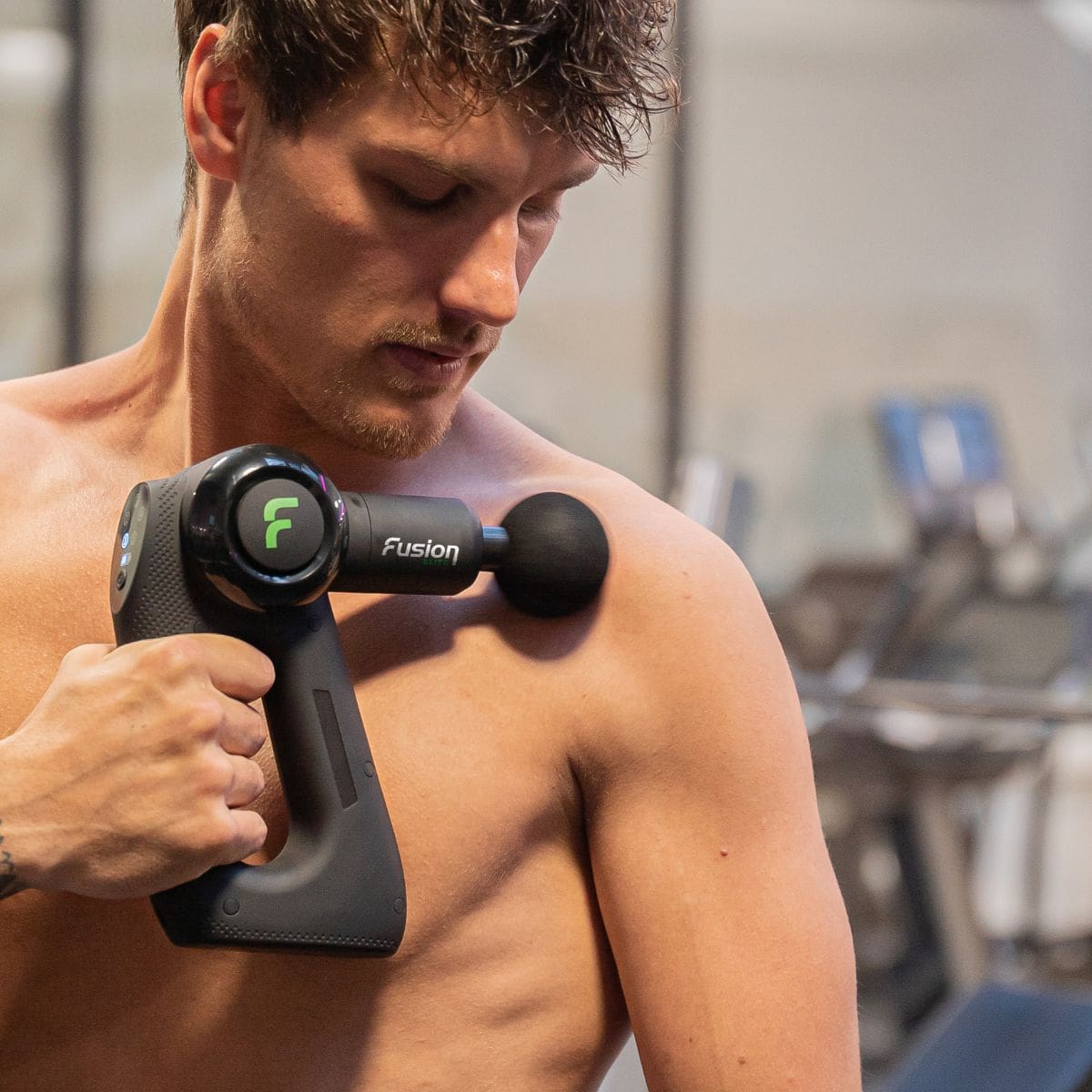
When you engage in physical activity, your muscles experience microscopic tears. These tears are a natural part of the muscle-building process, but they can also lead to soreness and stiffness. Foam rolling helps to alleviate this discomfort by breaking up muscle adhesions, or knots, that form in the muscle tissue. These adhesions can restrict blood flow and limit range of motion. By applying pressure to these areas, foam rolling can help to release tension, improve blood flow, and promote faster recovery.
Benefits of Foam Rolling
Reduced Muscle Soreness: Foam rolling can significantly reduce delayed-onset muscle soreness (DOMS), a common side effect of intense workouts.
How to Foam Roll Effectively
To get the most out of your foam rolling sessions, follow these tips:
1. Start Slow: Begin with gentle pressure and gradually increase the intensity as your muscles loosen up.
2. Target Specific Muscle Groups: Focus on areas that are particularly sore or tight, such as your quads, hamstrings, calves, back, and IT band.
3. Hold and Roll: Spend 15-30 seconds on each area, rolling slowly back and forth.
4. Breathe Deeply: Focus on your breath to help relax your muscles and reduce tension.
5. Listen to Your Body: If you experience pain, reduce the pressure or stop rolling altogether.
Foam Rolling for Beginners
If you’re new to foam rolling, it’s important to start slowly and gradually increase the intensity and duration of your sessions. You may also want to consult with a physical therapist or certified fitness professional to learn proper technique and target specific muscle groups.
Incorporating Foam Rolling into Your Routine
Foam rolling can be incorporated into your daily routine or used before or after workouts. Some people find it helpful to foam roll in the morning to wake up their muscles and improve flexibility, while others prefer to use it as a post-workout recovery tool.
Remember, consistency is key. By making foam rolling a regular part of your routine, you can experience the many benefits of this simple yet effective technique. So, grab your foam roller and start rolling your way to a healthier, happier, and more resilient you!
Krafttraining, oder auch Widerstandstraining genannt, ist eine effektive Methode, um Muskeln aufzubauen, Kraft zu steigern und den Stoffwechsel anzukurbeln. Es eignet sich für Menschen jeden Alters und Fitnesslevels und kann in verschiedenen Formen durchgeführt werden, wie beispielsweise im Fitnessstudio mit Gewichten oder zu Hause mit dem eigenen Körpergewicht.
Warum ist Krafttraining so wichtig für die Regeneration?
Muskelaufbau: Krafttraining regt den Muskelaufbau an, was zu einer erhöhten Stoffwechselrate führt. Mehr Muskeln bedeuten mehr Kalorienverbrauch, auch in Ruhephasen.
Wie kann man Krafttraining in den Alltag integrieren?
Fitnessstudio: Ein Fitnessstudio bietet eine Vielzahl von Geräten und Möglichkeiten, um Krafttraining zu betreiben.
Tipps für effektives Krafttraining:
Wärme-up: Beginne jede Trainingseinheit mit einem gründlichen Warm-up, um die Muskeln aufzuwärmen und Verletzungen vorzubeugen.
Krafttraining für jeden:
Krafttraining ist für jeden geeignet, unabhängig von Alter oder Fitnesslevel. Es ist wichtig, die Übungen an die individuellen Fähigkeiten anzupassen und mit einem qualifizierten Trainer zusammenzuarbeiten, um ein sicheres und effektives Training zu gewährleisten.
Durch regelmäßiges Krafttraining kannst du nicht nur deine körperliche Fitness verbessern, sondern auch dein Wohlbefinden steigern und deine Regeneration beschleunigen. Also, worauf wartest du noch? Mach Krafttraining zu einem festen Bestandteil deines Lebens und erlebe die positiven Auswirkungen auf deinen Körper und Geist!


