Gather Information: Research shoulder anatomy, common shoulder injuries, and effective exercises for strengthening and stabilizing the shoulder joint. Consult reliable sources like medical journals, fitness websites, and books.
Outline Your Article: Create a clear outline that divides your article into sections. Consider using headings like “Introduction,” “Shoulder Anatomy,” “Benefits of Strong Shoulders,” “Top Exercises,” and “Tips for Proper Form.”
Shoulder Workouts For Stability & Strength In
2. Write the Introduction:
Hook Your Reader: Start with an engaging sentence that captures the reader’s attention. For example, you could mention a common shoulder injury or highlight the importance of strong shoulders for everyday activities.
Provide Context: Briefly explain the topic of your article and its relevance to the reader.
3. Discuss Shoulder Anatomy:
Use Clear Language: Explain the key components of the shoulder joint, including the bones, muscles, and tendons.
Visual Aids: Consider incorporating diagrams or illustrations to help readers visualize the shoulder anatomy.
4. Highlight the Benefits of Strong Shoulders:
Address Pain and Injury: Discuss how strong shoulders can help prevent pain and injuries like rotator cuff tears and impingement syndrome.
Improve Performance: Explain how strong shoulders are essential for various sports and activities, such as swimming, tennis, and weightlifting.
Enhance Quality of Life: Emphasize how strong shoulders can improve overall mobility and daily function.
5. Present Top Exercises:
Choose Effective Exercises: Select a variety of exercises that target different muscle groups in the shoulder, including the rotator cuff muscles, deltoids, and trapezius.
Provide Clear Instructions: Describe each exercise in detail, including the starting position, movement, and number of repetitions.
Use Visuals: Consider including photos or videos to demonstrate proper form.
Address Safety: Offer tips for preventing injuries and ensuring proper form.
6. Tips for Proper Form:
Emphasize the Importance of Form: Explain that correct form is crucial for maximizing the benefits of each exercise and minimizing the risk of injury.
Provide Specific Tips: Offer practical advice on maintaining proper form, such as avoiding excessive weight, keeping your core engaged, and controlling your movements.
7. Conclusion:
Summarize Key Points: Briefly recap the main points of your article, emphasizing the importance of strong shoulders for overall health and well-being.
Encouragement: Encourage readers to incorporate these exercises into their fitness routine and consult with a healthcare professional if they have any concerns.
Additional Tips:
Use Engaging Language: Make your writing lively and interesting by using vivid language and avoiding technical jargon.
Tailor Your Article: Consider your target audience and adjust the level of detail and complexity accordingly.
Proofread Carefully: Ensure that your article is free of errors in grammar, spelling, and punctuation.
By following these guidelines, you can create a informative and engaging German article on the topic of “Top Exercises for Shoulder Strength and Stability.”
Here’s a general example of how I could approach the task, assuming the list item number 2 is “Dumbbell Shoulder Press”:
German Title: “Die Schulterpresse mit Hanteln: Ein Kraftwerk für Ihre Schultern”
Introduction:
Briefly explain the importance of strong and stable shoulders for overall fitness and daily activities.
Highlight the benefits of dumbbell shoulder presses, such as increased strength, muscle development, and improved posture.
Body:
Proper form and technique:
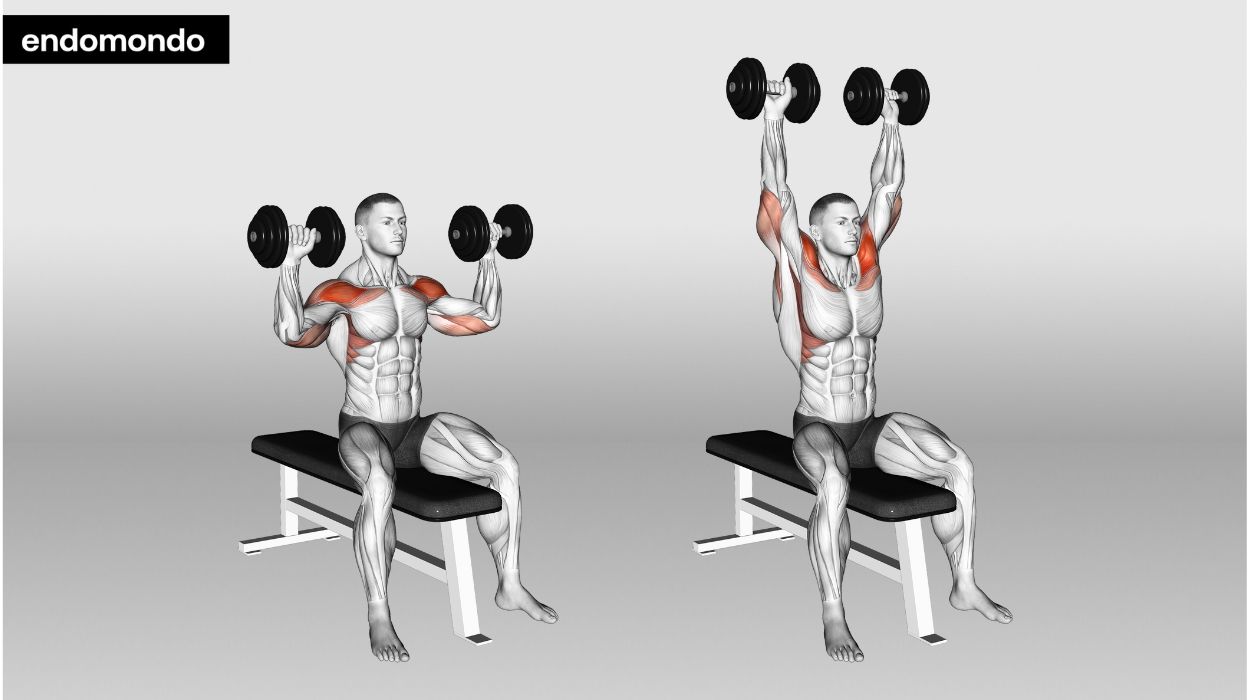
Detailed instructions on how to perform a dumbbell shoulder press correctly, including foot placement, grip, and movement patterns.
Emphasize the importance of maintaining a neutral spine and avoiding excessive arching or rounding of the back.
Muscle engagement:
Discuss the primary muscles involved in the dumbbell shoulder press, such as the deltoids, triceps, and upper chest.
Explain how to target these muscles effectively through proper form and variations of the exercise.
Common mistakes and corrections:
Identify common errors made during the dumbbell shoulder press, such as using excessive momentum or allowing the elbows to flare out.
Provide tips on how to correct these mistakes and ensure optimal results.
Variations and progressions:
Introduce different variations of the dumbbell shoulder press, such as seated shoulder press, standing overhead press, and incline press.
Discuss how these variations can be used to target different muscle fibers and increase the challenge of the exercise.
Suggest ways to progress the exercise over time, such as increasing the weight, decreasing the rest periods, or adding more repetitions.
Benefits and advantages:
Highlight the various benefits of incorporating dumbbell shoulder presses into your workout routine, such as improved athletic performance, reduced risk of injuries, and enhanced overall strength and stability.
Discuss how this exercise can be integrated into different workout programs and training goals.
Please provide the list item number 2 and any additional details so I can create a more tailored and informative German article.


:max_bytes(150000):strip_icc()/great-back-and-shoulder-exercises-3498225_final_text-10656e7875ab48fb9f92040f5bc05222.jpg "Back and Shoulder Workouts to Build Muscle")