


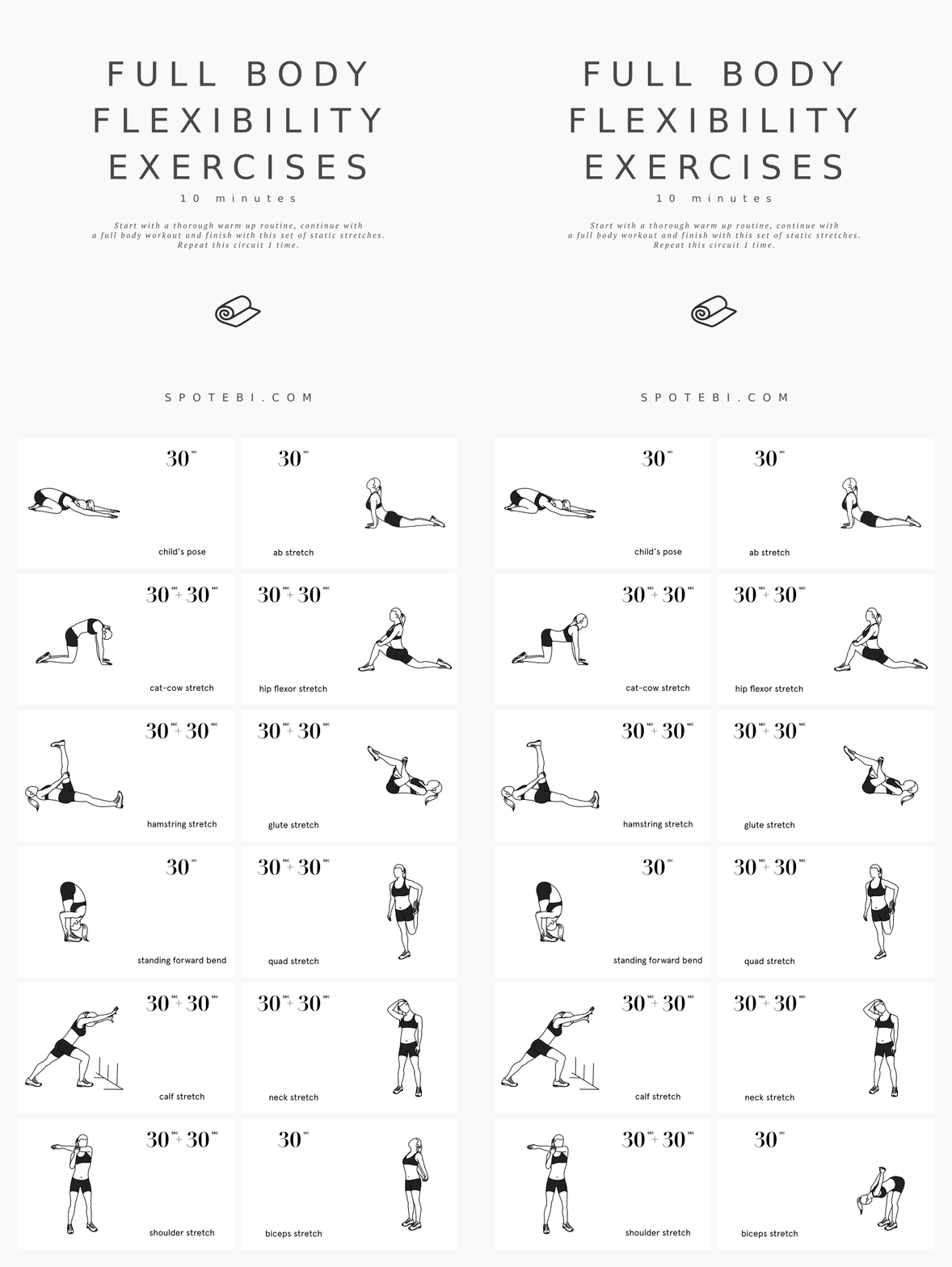
Yoga, a practice that has its roots in ancient India, is more than just a physical exercise. It’s a holistic approach to well-being, combining physical postures, breathing techniques, and meditation. When incorporated into a gym routine, yoga can significantly enhance flexibility, strength, balance, and mental clarity.
The Physical Benefits of Yoga


One of the most significant benefits of yoga is its ability to improve flexibility. Yoga poses, or asanas, stretch the muscles and tendons, increasing their range of motion. Regular practice can help alleviate stiffness and tightness, particularly in areas like the hamstrings, lower back, and shoulders.
Beyond flexibility, yoga also strengthens the muscles. Many yoga poses require you to hold your body weight, which builds strength, especially in the core muscles. Additionally, yoga can improve balance and coordination. Poses like tree pose and warrior pose challenge your balance, helping you develop stability and grace.
The Mental Benefits of Yoga
The mental benefits of yoga are equally profound. Yoga incorporates breathing techniques, or pranayama, which can reduce stress and anxiety. Deep, slow breaths can calm the mind and promote relaxation.
Meditation, another key component of yoga, can help improve focus and concentration. By quieting the mind, you can enhance your mental clarity and reduce distractions.
Incorporating Yoga into Your Gym Routine
You can easily incorporate yoga into your gym routine. Here are a few tips:
Start Slow: If you’re new to yoga, start with beginner-friendly poses and gradually increase the intensity as you progress.
Popular Yoga Poses for Flexibility
Warrior Pose (Virabhadrasana): This pose stretches the hips, thighs, and groin.
By incorporating yoga into your gym routine, you can experience a wide range of physical and mental benefits. So, roll out your mat, take a deep breath, and start your yoga journey today.
Yoga, the ancient practice that marries physical postures, breathing exercises, and meditation, offers a holistic approach to improving flexibility. This low-impact discipline gently stretches your muscles, enhances your range of motion, and promotes overall well-being.
The Magic of Yoga for Flexibility
Gentle Stretching: Yoga poses, or asanas, are designed to gradually lengthen your muscles. As you progress, you’ll notice increased flexibility in your hamstrings, calves, shoulders, and spine.
Yoga Poses for Flexibility
While many yoga poses contribute to flexibility, here are a few favorites that specifically target key areas:
Warrior I (Virabhadrasana I): This pose stretches your hips, thighs, and shoulders.
Tips for a Successful Yoga Practice
Start Slowly: Begin with gentle poses and gradually increase the intensity and duration of your practice.
By incorporating yoga into your workout routine, you can unlock your body’s full potential for flexibility and well-being. Embrace the journey, be patient, and enjoy the transformative power of this ancient practice.
Remember: Flexibility is a journey, not a destination. Enjoy the process and celebrate your progress, no matter how small.


