

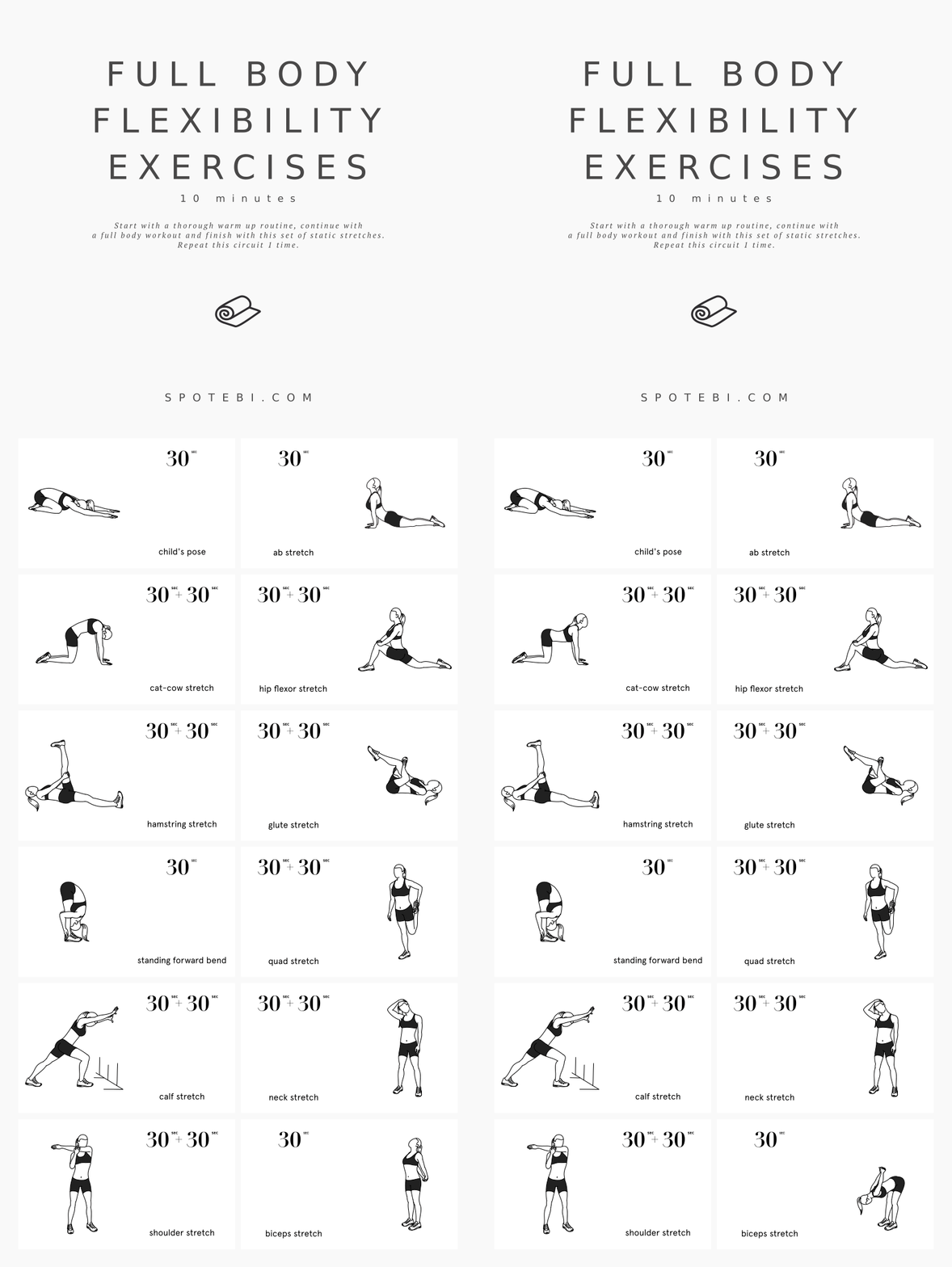
A warm-up is like a gentle wake-up call for your muscles. It’s the perfect way to prep your body for the workout ahead, reducing your risk of injury and enhancing your performance. Picture your muscles as sleepy giants; a good warm-up is the gentle nudge they need to awaken and stretch.
Why Warm-Up?

Injury Prevention: Warming up gradually increases your body temperature, improving blood flow to your muscles. This increased blood flow delivers vital oxygen and nutrients, making your muscles more flexible and less prone to tears and strains.
How to Warm-Up Effectively
1. Light Cardio: Start with 5-10 minutes of light cardio, such as jogging, cycling, or jumping jacks. This elevates your heart rate and warms up your larger muscle groups.
2. Dynamic Stretching: Dynamic stretches involve active movements that mimic the range of motion of your workout. Some examples include arm circles, leg swings, torso twists, and high knees. Dynamic stretching improves flexibility and prepares your joints for the stress of exercise.
3. Specific Warm-Up Sets: Before each exercise, perform a few light sets with lower weight or resistance. This gradually increases the load on your muscles, further reducing your risk of injury.
Common Warm-Up Mistakes to Avoid
Static Stretching Before Exercise: While static stretches (holding a stretch for a prolonged period) are beneficial for improving flexibility, they can hinder performance when done before a workout. Static stretching can temporarily decrease muscle power and reduce range of motion.
Warm-Up Ideas for Different Workouts
Strength Training: Start with 5-10 minutes of light cardio, followed by dynamic stretches for your major muscle groups. Perform a few light sets of each exercise before increasing the weight or resistance.
By incorporating a proper warm-up into your routine, you can significantly reduce your risk of injury and enhance your workout experience. So, the next time you hit the gym, remember to take a few moments to warm up and prepare your body for the challenges ahead. Your future self will thank you!
Yoga, a practice that has its roots in ancient India, is a fantastic way to improve your flexibility. It combines physical postures, breathing techniques, and meditation to promote physical and mental well-being. Not only does yoga increase flexibility, but it also helps to strengthen muscles, improve balance, and reduce stress.
Why Yoga for Flexibility?
One of the key reasons why yoga is so effective for increasing flexibility is its focus on gradual, sustained stretching. Unlike many other forms of exercise, yoga postures are held for several breaths, allowing the muscles to lengthen and relax. This type of stretching is known as static stretching, and it’s particularly beneficial for improving flexibility.
Another factor that contributes to yoga’s effectiveness is its emphasis on mindful movement. By paying attention to your body and breath, you can develop a deeper connection with your physical sensations. This awareness allows you to avoid pushing yourself too hard and risking injury.
Incorporating Yoga into Your Gym Routine
If you’re already a member of a gym, you can easily incorporate yoga into your workout routine. Many gyms offer yoga classes, or you can find yoga videos online to practice at home.
Here are some tips for incorporating yoga into your gym routine:
Start Slowly: If you’re new to yoga, start with beginner-friendly classes or videos. Gradually increase the intensity and duration of your practice as you become more comfortable.
Popular Yoga Poses for Flexibility
Here are a few popular yoga poses that can help you improve your flexibility:
Warrior I (Virabhadrasana I): This pose stretches the legs, hips, and spine.
By incorporating yoga into your gym routine, you can improve your flexibility, reduce stress, and enhance your overall well-being. Remember to start slowly, listen to your body, and enjoy the process.
2. Yoga
Yoga: Die sanfte Kraft für Körper und Geist
Yoga, die uralte indische Praxis, ist mehr als nur eine körperliche Übung. Es ist eine ganzheitliche Methode, die Körper, Geist und Seele in Einklang bringt. Durch eine Kombination aus körperlichen Haltungen (Asanas), Atemübungen (Pranayama) und Meditation erreicht Yoga eine tiefe Entspannung und innere Ruhe.
Warum Yoga für dein Gym-Workout perfekt ist:
Verbesserte Flexibilität: Yoga-Asanas dehnen Muskeln und Sehnen, was zu einer erhöhten Flexibilität führt. Dies ist besonders wichtig für Sportler, da es Verletzungen vorbeugt und die Bewegungsfreiheit erhöht.
Yoga-Styles für dein Gym-Workout:
Hatha Yoga: Eine sanfte Form von Yoga, die sich auf grundlegende Asanas und Atemübungen konzentriert. Ideal für Anfänger.
Yoga-Übungen für mehr Flexibilität:
Der herabschauende Hund (Adho Mukha Svanasana): Diese Pose dehnt die Waden, Oberschenkel, Hamstrings und die Wirbelsäule.
Tipps für ein erfolgreiches Yoga-Workout:
Finde einen qualifizierten Yogalehrer: Ein guter Lehrer kann dir helfen, die richtigen Techniken zu erlernen und Verletzungen zu vermeiden.
Yoga ist eine wunderbare Ergänzung zu jedem Gym-Workout. Es hilft, die körperliche Fitness zu verbessern, Stress abzubauen und innere Ruhe zu finden. Also, warum nicht heute noch mit Yoga beginnen?


