Here’s A Title For A Gym Workout Routine Focused On Flexibility: “Stretch Your Way To Flexibility: A Gym Workout Routine”

  • Whatsapp
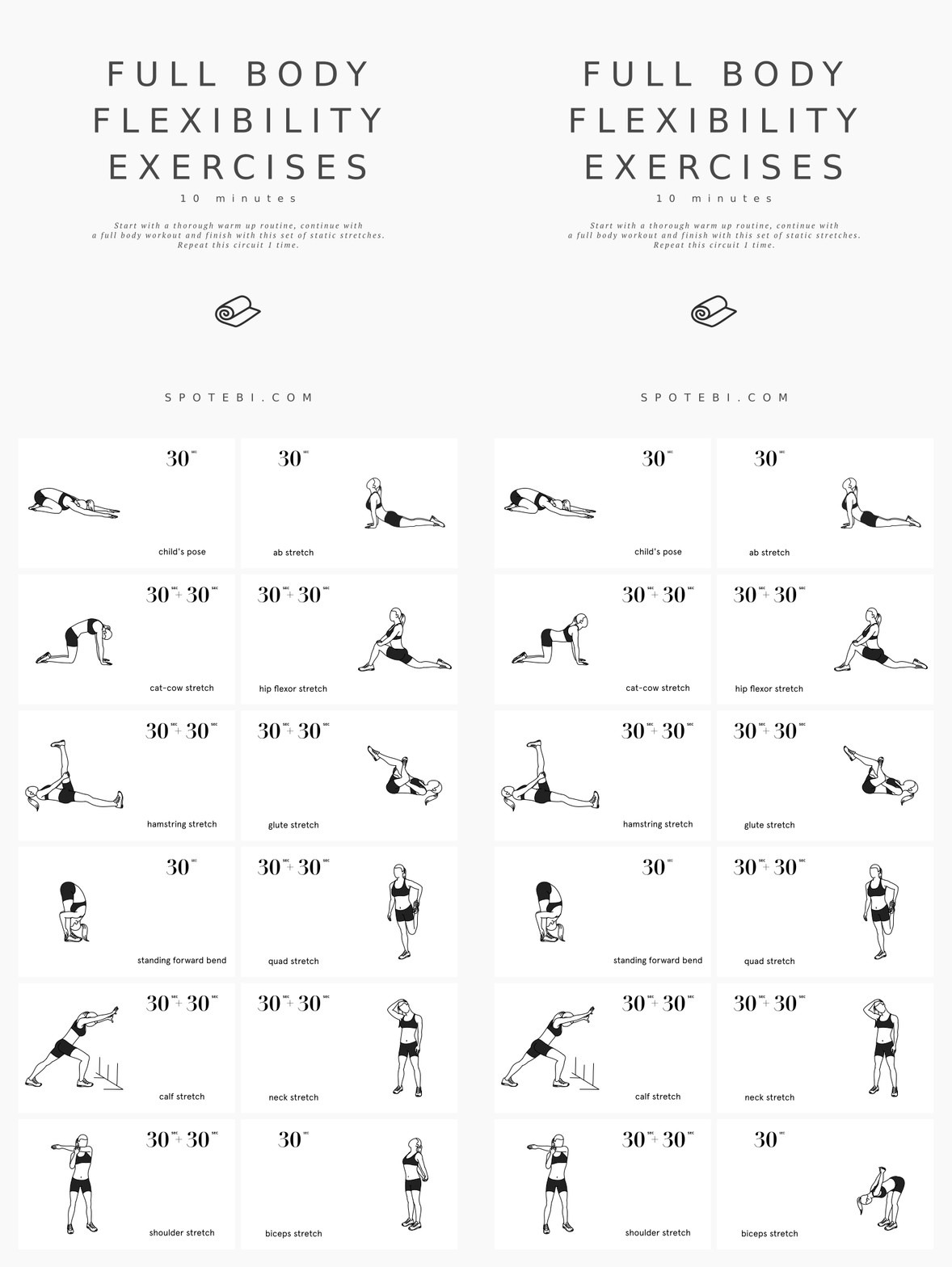
Full Body Flexibility Exercises

Yoga, a practice rooted in ancient Indian philosophy, offers a holistic approach to physical and mental well-being. It seamlessly blends physical postures (asanas), breathing techniques (pranayama), and meditation, making it a versatile practice for individuals of all ages and fitness levels.

The Physical Benefits of Yoga

Yoga is renowned for its ability to enhance flexibility, balance, and strength. Regular practice can:

Improve Flexibility: Yoga poses, such as the downward-facing dog and the warrior pose, stretch muscles and tendons, gradually increasing flexibility.

  • Enhance Balance: Balancing poses, like tree pose and half-moon pose, challenge your equilibrium and improve your body’s ability to maintain stability.
  • Build Strength: Many yoga poses require you to hold your body weight, which strengthens muscles, particularly in the core, arms, and legs.
  • Improve Posture: Regular yoga practice can help correct postural imbalances and promote good alignment, leading to improved posture and reduced back pain.
  • Increase Range of Motion: Yoga poses can help increase the range of motion in your joints, making everyday activities easier and reducing the risk of injury.

  • The Mental Benefits of Yoga

    Beyond physical benefits, yoga offers numerous mental and emotional advantages:

    Reduce Stress and Anxiety: Yoga’s breathing techniques and meditation practices can help calm the mind, reduce stress, and alleviate anxiety.

  • Improve Focus and Concentration: Regular yoga practice can enhance focus, concentration, and mental clarity.
  • Promote Relaxation: Yoga’s gentle movements and deep breathing can induce a state of relaxation, helping you unwind and recharge.
  • Boost Mood: Yoga can elevate mood and reduce symptoms of depression.
  • Enhance Mindfulness: Yoga encourages mindfulness, allowing you to be present in the moment and appreciate the present.

  • Getting Started with Yoga

    If you’re new to yoga, here are some tips to help you get started:

    1. Find a Qualified Instructor: Seek guidance from a certified yoga instructor who can teach you proper alignment and technique.
    2. Start Slowly: Begin with gentle, beginner-friendly poses and gradually progress as your flexibility and strength improve.
    3. Listen to Your Body: Pay attention to your body’s signals and avoid pushing yourself too hard.
    4. Practice Regularly: Aim to practice yoga regularly, even for a short duration, to reap the benefits.
    5. Be Patient: Progress takes time. Be patient with yourself and enjoy the journey.

    Yoga Styles to Explore

    There are various yoga styles to cater to different preferences and fitness goals:

    Hatha Yoga: A gentle style that focuses on basic postures and breathing techniques.

  • Vinyasa Yoga: A dynamic style that links breath to movement, creating a flowing sequence of poses.
  • Ashtanga Yoga: A physically demanding style that follows a set sequence of postures.
  • Iyengar Yoga: A precise style that emphasizes proper alignment and the use of props.
  • Kundalini Yoga: A spiritual style that combines physical postures, breathing techniques, meditation, and chanting.

  • Incorporating Yoga into Your Fitness Routine

    Yoga can be a valuable addition to any fitness routine. Whether you’re a seasoned athlete or a beginner, incorporating yoga into your workout schedule can help you achieve optimal physical and mental well-being.

    Remember, the key to a successful yoga practice is consistency and patience. Start small, listen to your body, and enjoy the journey of self-discovery and transformation.

    Flexibilität ist nicht nur für Tänzer und Yogis wichtig. Sie ist ein entscheidender Faktor für unsere allgemeine Gesundheit und Leistungsfähigkeit. Eine gute Beweglichkeit verbessert die Körperhaltung, reduziert das Verletzungsrisiko und steigert die Energie.

    Hier ist ein Workout, das dir dabei hilft, deine Flexibilität zu steigern.

    Warm-up (5 Minuten):

    Leichter Cardio: Beginne mit fünf Minuten leichtem Cardio, wie etwa Fahrradfahren oder schnelles Gehen auf dem Laufband. Das erhöht die Herzfrequenz und bereitet deine Muskeln auf die anstehende Belastung vor.

  • Dynamisches Stretching: Führe dynamische Dehnübungen durch, um deine Muskeln aufzuwärmen und die Gelenkbeweglichkeit zu verbessern. Hier einige Beispiele:
  • Armkreisen nach vorne und hinten
  • Bein- und Hüftschwünge
  • Torso-Drehungen
  • Kniebeugen mit Armkreisen

  • Hauptteil (20-30 Minuten):

    Statisches Stretching: Halte jede Dehnübung für 30-60 Sekunden. Atme tief und ruhig ein und aus.

  • Oberschenkelstrecker: Lege dich auf den Rücken, beuge ein Bein an und ziehe es mit beiden Händen zur Brust.
  • Oberschenkelrückseite: Stehe aufrecht, beuge dich nach vorne und versuche, deine Hände auf den Boden zu legen.
  • Waden: Stelle dich mit den Fußspitzen gegen eine Wand und beuge die Knie leicht.
  • Hüftbeuger: Knie dich hin und setze dich auf ein Bein. Strecke das andere Bein nach hinten aus.
  • Brustmuskulatur: Lege dich auf den Rücken, verschränke die Hände hinter dem Kopf und ziehe die Ellenbogen langsam nach außen.
  • Schultern: Verschränke die Hände hinter dem Rücken und strecke die Arme nach oben.
  • Rückenmuskulatur: Knicke den Oberkörper nach vorne und berühre deine Zehen.
  • Nackenmuskulatur: Senke langsam deinen Kopf zur Brust, dann zur rechten Schulter, zur Mitte zurück, zur linken Schulter und wieder zur Mitte.

  • Cool-down (5 Minuten):

    Statisches Stretching: Führe erneut statische Dehnübungen durch, um die Muskeln zu entspannen und die Flexibilität zu verbessern.

  • Tiefe Atmung: Atme tief und langsam ein und aus, um den Körper zur Ruhe zu bringen.

  • Tipps für ein effektives Stretching:

    Regelmäßigkeit: Streiche regelmäßig, am besten täglich.

  • Langsame Bewegungen: Vermeide ruckartige Bewegungen, um Verletzungen zu verhindern.
  • Achte auf deine Körperhaltung: Vermeide ein Hohlkreuz oder Rundrücken.
  • Höre auf deinen Körper: Überanstrenge dich nicht.
  • Kombinieren mit anderen Aktivitäten: Integriere Stretching in dein tägliches Leben, etwa nach dem Sport oder vor dem Schlafengehen.

  • Mit diesem Workout kannst du deine Flexibilität steigern und dich rundum wohler fühlen. Viel Spaß beim Trainieren!

    Related posts

    Leave a Reply

    Your email address will not be published. Required fields are marked *