


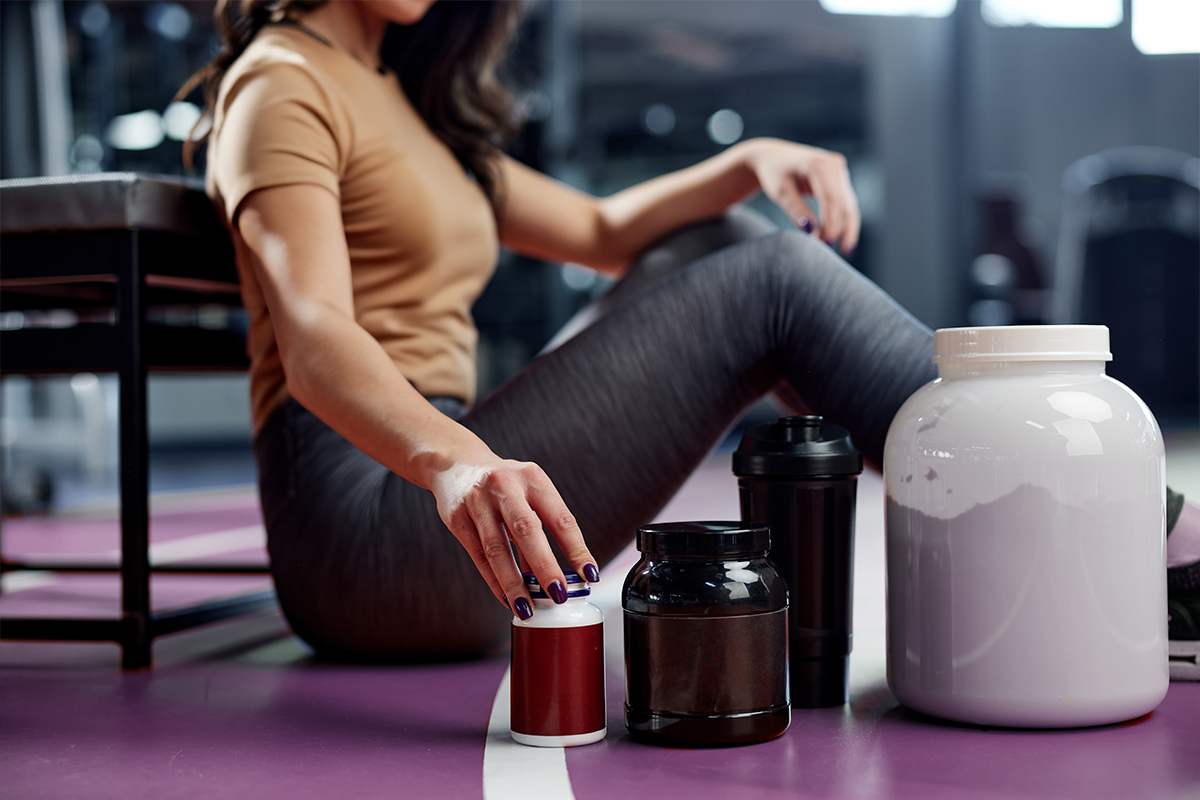
Creatine, a naturally occurring compound found in our bodies, is a popular pre-workout supplement that has been extensively researched and proven to enhance athletic performance. It works by increasing the availability of adenosine triphosphate (ATP), the energy currency of our cells.
How Does Creatine Work?

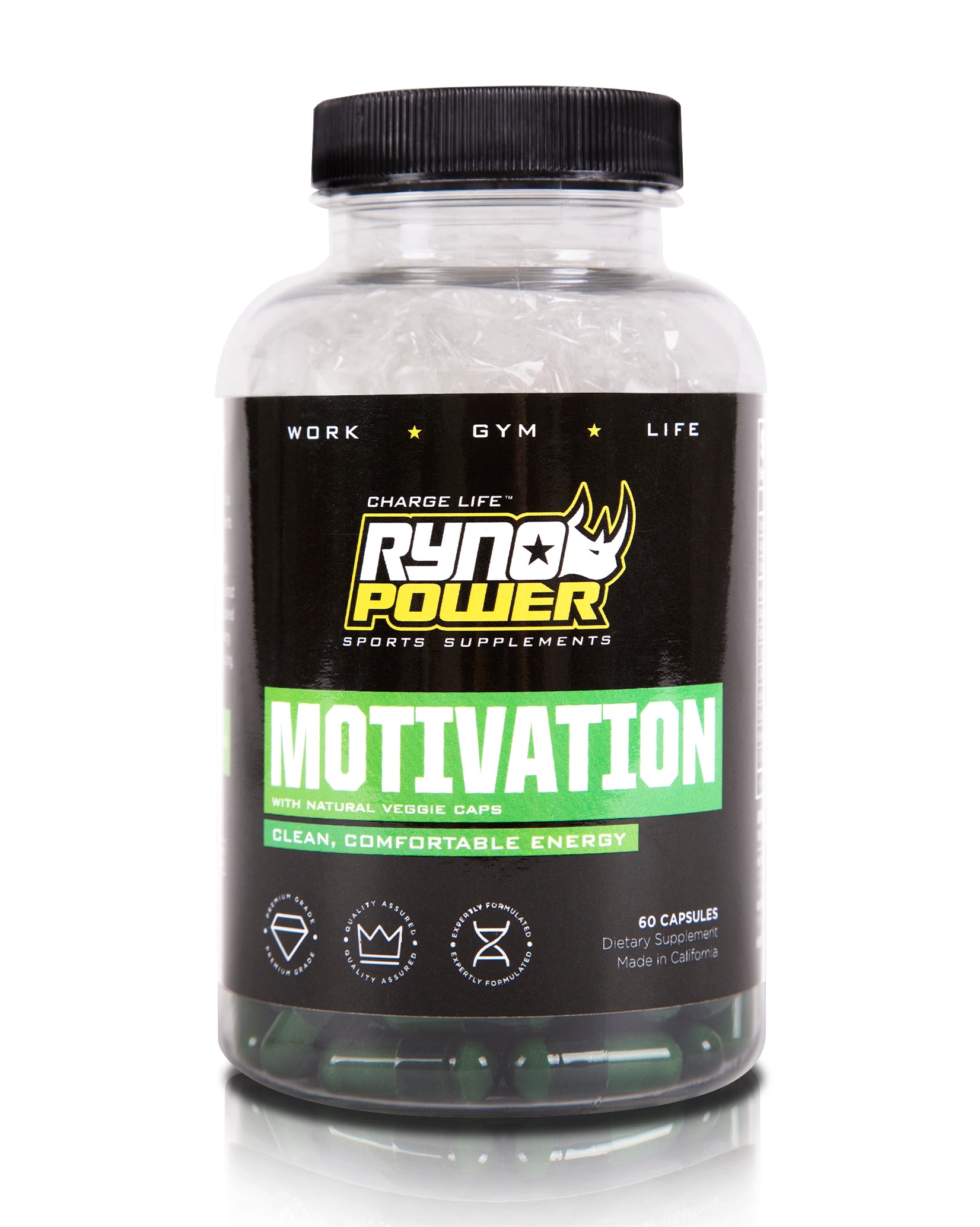
When we engage in intense physical activity, our muscles rely on ATP for energy. Creatine helps to replenish ATP stores more quickly, allowing for more powerful and longer-lasting workouts. This can lead to increased strength, power, and muscle mass.
Benefits of Creatine
1. Enhanced Muscle Performance: Creatine supplementation has been shown to significantly improve high-intensity exercise performance, such as weightlifting and sprinting.
2. Increased Muscle Mass: By aiding in ATP production, creatine can promote muscle growth and repair, leading to increased muscle mass over time.
3. Delayed Muscle Fatigue: Creatine can help to delay the onset of muscle fatigue, allowing you to push harder and longer during your workouts.
4. Improved Brain Function: Some studies suggest that creatine may also benefit cognitive function, particularly in older adults.
Choosing the Right Creatine Supplement
When selecting a creatine supplement, it’s important to choose a high-quality product. Here are a few tips to keep in mind:
Creatine Monohydrate: This is the most common and well-researched form of creatine. It is highly effective and affordable.
How to Take Creatine
Creatine can be taken in a variety of ways. The most common method is to take 5 grams of creatine monohydrate per day, either in a single dose or divided into smaller doses throughout the day.
Safety and Side Effects
Creatine is generally safe for healthy individuals when used as directed. However, it’s important to stay hydrated and consult with a healthcare professional before starting any new supplement, especially if you have underlying health conditions.
Incorporating Creatine into Your Workout Routine
To maximize the benefits of creatine, consider the following tips:
Timing: Take creatine both before and after your workouts.
By understanding the science behind creatine and incorporating it into your workout routine, you can unlock your full athletic potential.
Creatine, a naturally occurring compound found in our bodies and certain foods like meat and fish, has become a popular supplement among athletes and fitness enthusiasts. It’s particularly effective for boosting strength, power, and muscle growth. But how does it work, and why should you consider adding it to your pre-workout routine?
How Creatine Works
Creatine plays a crucial role in energy production within our muscles. It helps to regenerate adenosine triphosphate (ATP), the primary energy source used for muscle contractions. By increasing ATP levels, creatine can enhance your workout performance, allowing you to lift heavier weights, perform more repetitions, and push your limits.
The Benefits of Creatine
1. Increased Muscle Mass: Creatine can help you build muscle mass by promoting protein synthesis and reducing muscle breakdown.
2. Enhanced Strength and Power: By increasing ATP availability, creatine can significantly boost your strength and power output.
3. Improved Exercise Performance: Whether you’re a weightlifter, sprinter, or endurance athlete, creatine can help you perform better during high-intensity workouts.
4. Faster Recovery: Creatine can help speed up muscle recovery after intense training sessions, allowing you to train harder and more frequently.
5. Brain Function: Some studies suggest that creatine may improve cognitive function, particularly in areas like memory and problem-solving.
How to Use Creatine
Creatine is typically available in powder form, which can be mixed with water or added to your favorite beverage. The recommended dosage is around 5 grams per day, although some people may benefit from higher doses.
To maximize the benefits of creatine, it’s important to stay hydrated. Drinking plenty of water throughout the day can help your body absorb creatine more efficiently and prevent dehydration.
Is Creatine Safe?
Creatine is generally safe for healthy individuals when used as directed. However, it’s always a good idea to consult with a healthcare professional before starting any new supplement, especially if you have underlying health conditions.
Conclusion
Whether you’re a seasoned athlete or just starting your fitness journey, creatine can be a valuable addition to your supplement arsenal. By understanding how it works and using it correctly, you can experience significant improvements in your strength, power, and overall performance.


