

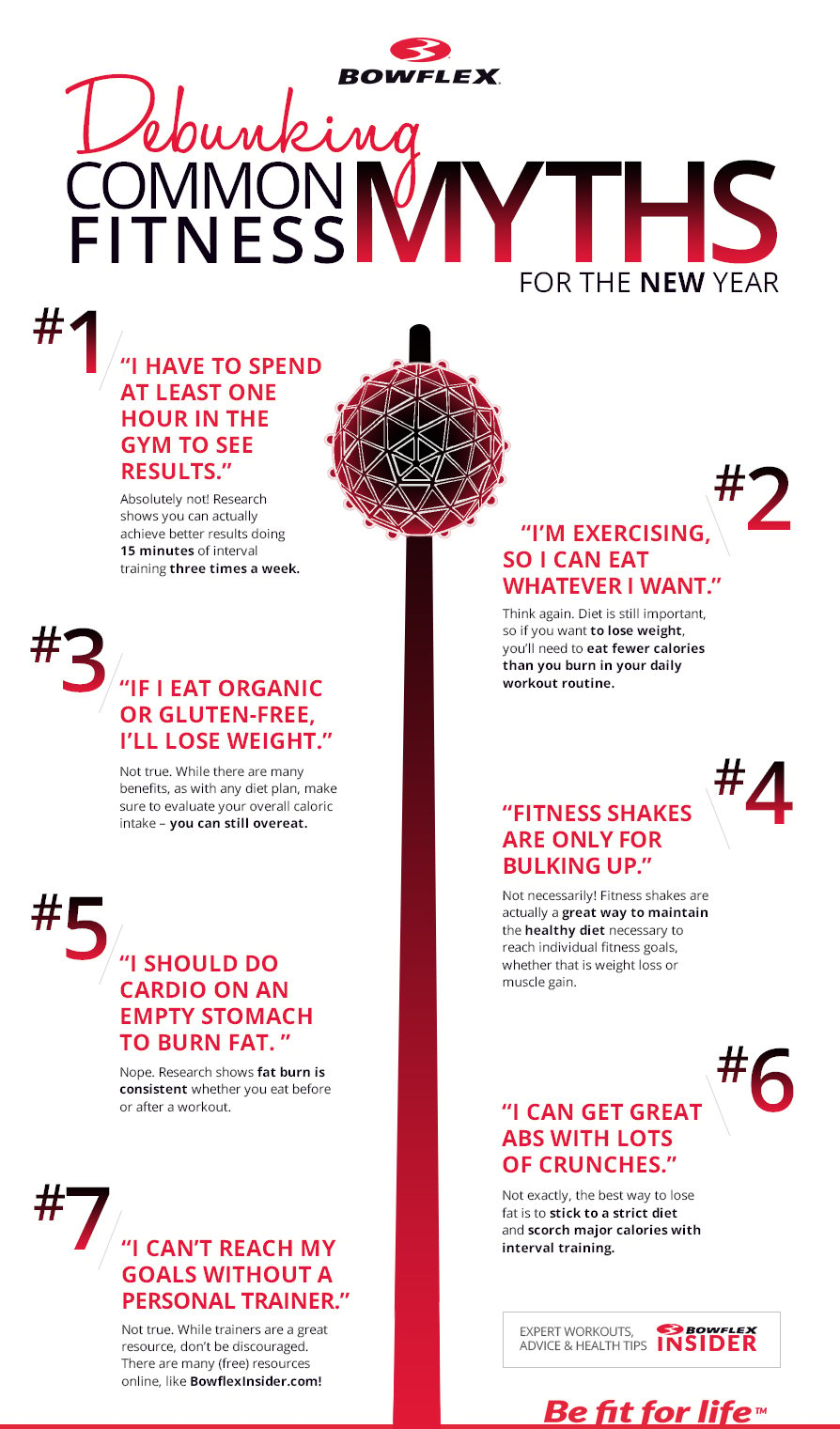
We’ve all heard it, the age-old adage: “No pain, no gain.” This phrase has been echoing through gymnasiums and fitness studios for decades, inspiring countless individuals to push themselves to their limits. But is this mantra truly the key to unlocking our fitness potential?
Let’s dive into the myth and separate fact from fiction.
The Allure of Pain
The appeal of pain in fitness is a fascinating psychological phenomenon. It’s associated with hard work, dedication, and the satisfaction of overcoming challenges. When we experience discomfort during a workout, our brains release endorphins, natural painkillers that induce feelings of euphoria. This “runner’s high” can be addictive, leading us to believe that more pain equals more progress.
However, it’s important to distinguish between productive discomfort and destructive pain. Productive discomfort is the type of fatigue you feel after a challenging but effective workout. It’s a temporary sensation that dissipates within a few days. Destructive pain, on the other hand, is persistent and can lead to injuries.
The Science Behind Progress
To truly understand the science behind progress, we need to look beyond the pain. Muscle growth and strength gains are primarily driven by two key factors:
1. Progressive Overload: Gradually increasing the demands placed on your muscles. This can be achieved by lifting heavier weights, performing more repetitions, or increasing the intensity of your workouts.
2. Adequate Recovery: Allowing your muscles time to repair and rebuild. This involves proper nutrition, hydration, and sufficient rest.
While pain may be a byproduct of intense workouts, it’s not a reliable indicator of progress. In fact, excessive pain can hinder recovery and lead to plateaus or even setbacks.
A Smarter Approach to Fitness
So, how can we achieve our fitness goals without subjecting ourselves to unnecessary pain? Here are a few tips:
Listen to Your Body: Pay attention to your body’s signals. If you’re experiencing sharp pain, take a break.
Remember, fitness is a journey, not a race. By focusing on sustainable progress, you’ll be more likely to achieve your goals and maintain a healthy lifestyle. So, let’s debunk the myth of “no pain, no gain” and embrace a smarter, more effective approach to fitness.
Dieser Mythos ist so hartnäckig wie ein Kaugummi unter dem Schuh. Wir haben alle schon gehört: “No pain, no gain!” oder “Je mehr, desto besser!”. Doch ist das wirklich wahr?
Natürlich ist regelmäßiges Training essentiell für unsere Gesundheit und unser Wohlbefinden. Es stärkt unsere Muskeln, verbessert unsere Ausdauer und hilft uns, Stress abzubauen. Aber mehr ist nicht immer gleich besser. Übermäßiges Training kann nämlich kontraproduktiv sein und sogar zu Verletzungen führen.
Warum ist das so?
Unser Körper braucht Zeit zur Regeneration. Während des Trainings werden unsere Muskeln beansprucht und kleine Verletzungen entstehen. In Ruhephasen können diese Verletzungen heilen und unsere Muskeln wachsen. Wenn wir jedoch zu viel trainieren, bleibt keine Zeit für diese Regenerationsphase. Die Folge: Überlastung, Schmerzen und ein erhöhtes Verletzungsrisiko.
Was bedeutet das für dein Training?
Hör auf deinen Körper: Schmerzen sind ein Warnsignal. Wenn du Schmerzen hast, solltest du dein Training reduzieren oder pausieren.
Fazit:
Es ist wichtig, ein ausgewogenes Trainingsprogramm zu finden, das zu deinem Lebensstil passt. Mehr ist nicht immer besser. Höre auf deinen Körper und genieße die Bewegung!


