Fuel Your Gains: Ultimate Muscle Building Tips

  • Whatsapp
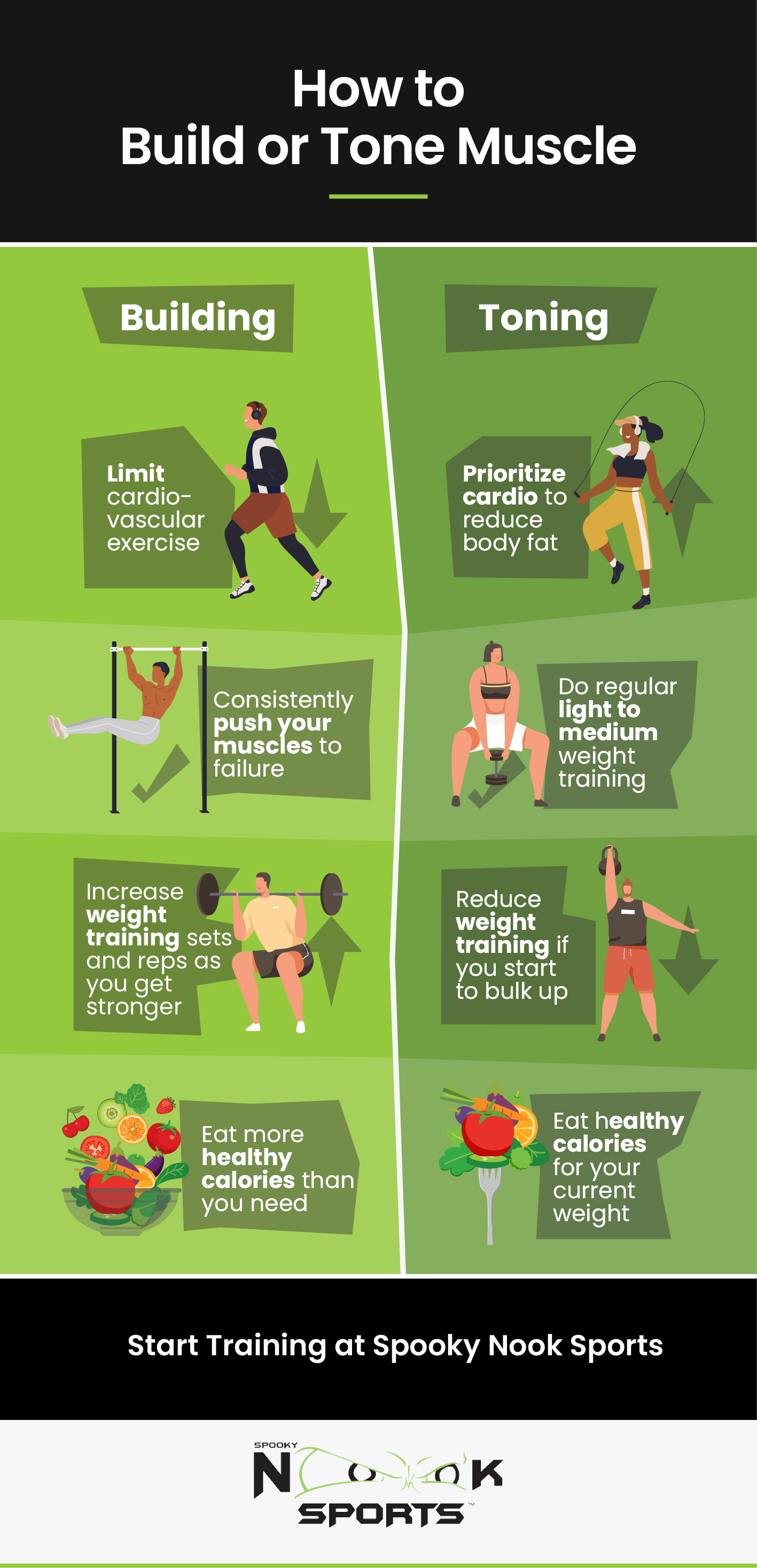
The Differences Between Building And Toning Muscle

The Building Block of Muscle

Protein, often hailed as the “building block of life,” is an essential macronutrient for muscle growth and repair. When you engage in intense workouts, your muscles undergo microscopic tears. To rebuild and strengthen these fibers, your body requires a steady supply of amino acids, the individual units that make up protein.

Why Protein Matters for Muscle Building

Muscle Synthesis: Protein provides the amino acids necessary for muscle protein synthesis, the process by which your body builds new muscle tissue.

  • Muscle Repair: After a tough workout, protein helps repair damaged muscle fibers, accelerating recovery and reducing soreness.
  • Preservation of Muscle Mass: Adequate protein intake can help prevent muscle loss, especially during periods of calorie restriction or aging.

  • How Much Protein Do You Need?

    The optimal protein intake for muscle building can vary depending on factors like your age, sex, activity level, and overall goals. However, a general guideline is to consume 1.6-2.2 grams of protein per kilogram of body weight per day. For example, a 70kg individual would need 112-154 grams of protein daily.

    Best Protein Sources

    To fuel your muscle-building journey, incorporate a variety of high-quality protein sources into your diet:

    Lean Meats: Chicken, turkey, beef, and pork are excellent sources of protein, rich in essential amino acids.

  • Fish and Seafood: Salmon, tuna, and cod are packed with protein and omega-3 fatty acids, which support overall health and inflammation reduction.
  • Eggs: A complete protein source, eggs provide essential amino acids and other nutrients like choline, beneficial for brain health.
  • Dairy Products: Milk, yogurt, and cheese are good sources of protein, calcium, and vitamin D.
  • Legumes: Beans, lentils, and chickpeas are plant-based protein powerhouses, also providing fiber and other nutrients.
  • Plant-Based Protein Powders: Pea, soy, and rice protein powders are convenient options for supplementing your protein intake.

  • Timing Your Protein Intake

    The timing of your protein intake can also play a role in muscle building. Here are some strategies:

    Pre-Workout Meal: Consuming a protein-rich meal or snack before your workout can provide your muscles with the necessary fuel to perform at their best.

  • Post-Workout Meal: A post-workout meal or protein shake can help replenish glycogen stores and stimulate muscle protein synthesis.
  • Throughout the Day: Spread your protein intake throughout the day to maintain a steady supply of amino acids in your bloodstream.

  • Beyond Protein: Other Nutrients for Muscle Growth

    While protein is essential, other nutrients play supporting roles in muscle building:

    Carbohydrates: Provide energy for intense workouts.

  • Healthy Fats: Support hormone production and cell membrane health.
  • Vitamins and Minerals: Contribute to various metabolic processes and overall health.

  • By prioritizing protein intake and combining it with a balanced diet and regular exercise, you can fuel your gains and achieve your muscle-building goals.

    Protein, often hailed as the king of nutrients, is undeniably crucial for muscle growth and repair. Think of it as the raw material your body uses to construct and fortify your muscles. When you engage in intense workouts, your muscle fibers undergo microscopic tears. To heal and grow stronger, they require an ample supply of amino acids, the building blocks of protein.

    Why Protein Matters

    Muscle Synthesis: Protein provides the essential amino acids, particularly leucine, which directly stimulates muscle protein synthesis. This process is the foundation of muscle growth.

  • Muscle Repair: After a tough workout, your muscles need to repair the damage caused by exercise. Protein supplies the amino acids necessary for this repair process, ensuring that your muscles recover and grow stronger.
  • Preservation of Muscle Mass: As we age, our bodies naturally lose muscle mass. Adequate protein intake can help counteract this age-related muscle loss, preserving strength and function.
  • Increased Satiety: Protein-rich foods can help you feel fuller for longer, reducing cravings and aiding weight management. This is beneficial for those looking to build muscle while maintaining a healthy body composition.

  • How Much Protein Do You Need?

    The optimal protein intake for muscle growth varies depending on factors such as age, sex, activity level, and overall health. However, a general guideline is to consume 1.6-2.2 grams of protein per kilogram of body weight per day. For example, a 70kg individual would need 112-154 grams of protein daily.

    Best Protein Sources

    To fuel your muscle-building goals, incorporate a variety of high-quality protein sources into your diet:

    Lean Meats: Chicken, turkey, beef, and pork are excellent sources of protein. Opt for lean cuts to minimize fat intake.

  • Fish and Seafood: Salmon, tuna, cod, and shrimp are rich in protein and omega-3 fatty acids, which support overall health.
  • Eggs: Eggs are a complete protein source, providing all essential amino acids. They’re also a good source of vitamins and minerals.
  • Dairy Products: Milk, yogurt, and cheese are excellent protein sources, particularly for those who are lactose tolerant.
  • Legumes: Beans, lentils, and chickpeas are plant-based protein powerhouses, packed with fiber and other essential nutrients.
  • Nuts and Seeds: Almonds, walnuts, chia seeds, and flaxseeds are great sources of protein, healthy fats, and fiber.
  • Protein Powders: Whey protein, casein protein, and plant-based protein powders can supplement your diet and provide a convenient way to increase your protein intake.

  • Timing Your Protein Intake

    The timing of your protein intake can also impact muscle growth. Consider these strategies:

    Pre-Workout Meal: Consuming a protein-rich meal or snack before your workout can provide your muscles with the necessary amino acids for energy and repair.

  • Post-Workout Meal: A post-workout meal or protein shake can help replenish glycogen stores and stimulate muscle protein synthesis.
  • Throughout the Day: Spread your protein intake throughout the day to maintain a steady supply of amino acids in your bloodstream.

  • By prioritizing protein in your diet and combining it with regular resistance training, you can effectively fuel your muscle-building journey and achieve your fitness goals. Remember, consistency is key, so make protein a staple in your meals and snacks.

    Related posts

    Leave a Reply

    Your email address will not be published. Required fields are marked *